
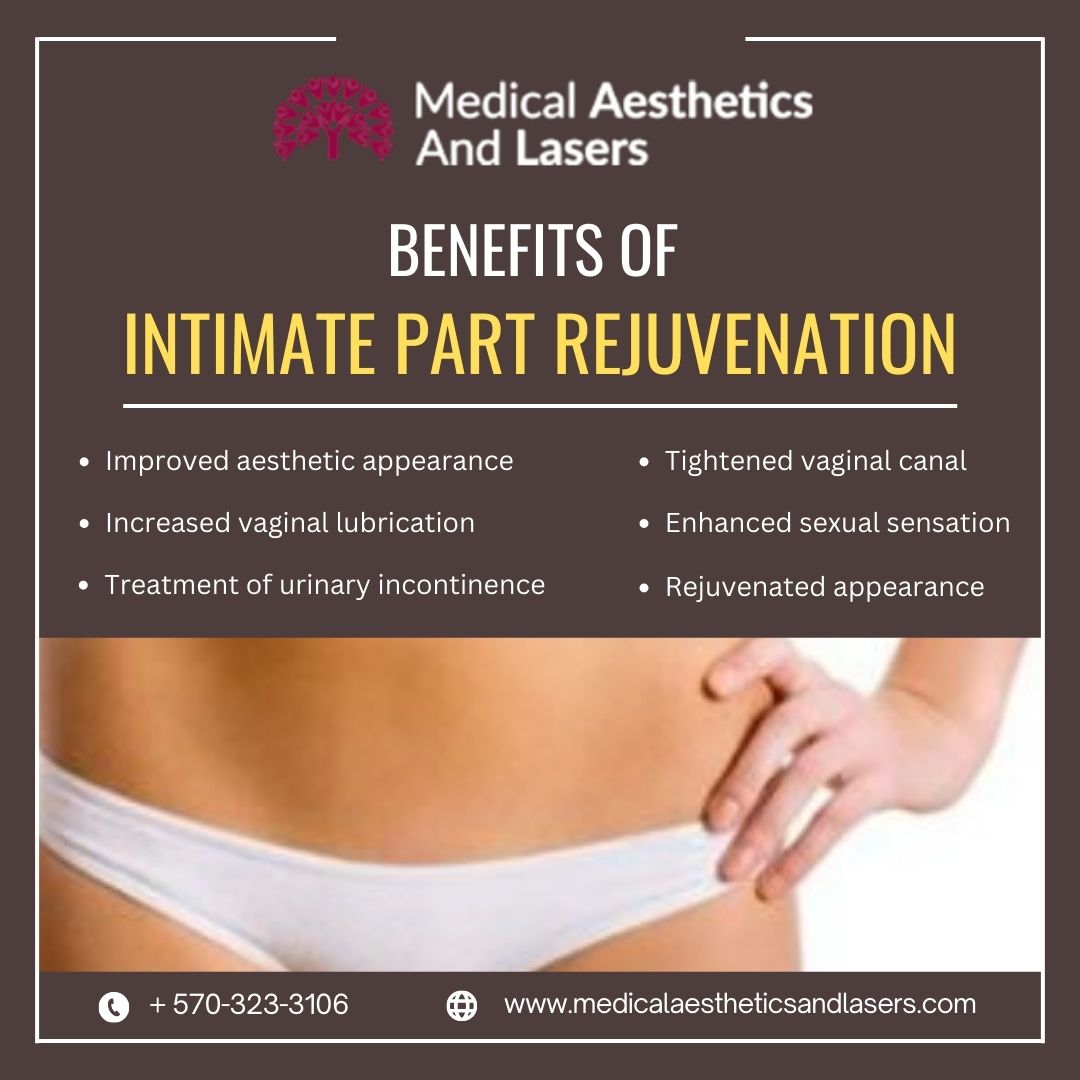
Stress incontinence treatment using radiofrequency device , also known as “Intimate Part Rejuvenation, is a medical aesthetics procedure that aims to improve both the function and integrity of the vaginal tissue. This comprehensive article explores the treatment process, benefits, associated costs, and precautions to consider for radiofrequency-based vaginal rejuvenation. By understanding the details of this procedure, individuals can make informed decisions about managing stress incontinence and enhancing their personal well-being and confidence.
Understanding Stress Incontinence Treatment Through Intimate Part Rejuvenation
Provided by: Medical Aesthetics and Lasers, Williamsport, PA
Part 1: Stress Incontinence Treatment Through Radiofrequency Technology
Stress incontinence treatment utilizing radiofrequency technology is a non-surgical, minimally invasive procedure indicated for the restoration of vaginal tissue integrity and the improvement of pelvic floor support. During treatment, controlled radiofrequency energy is delivered to the deeper layers of vaginal tissue, inducing thermal-mediated collagen remodeling and neocollagenesis. This process leads to gradual tightening of the supportive structures surrounding the urethra and anterior vaginal wall. Clinically, this technology has been shown to address stress urinary incontinence, vaginal laxity, diminished sexual satisfaction, and compromised pelvic floor function.By delivering gentle radiofrequency energy to the deeper layers of tissue, the treatment stimulates natural collagen production and tightens the supportive structures around the urethra. A comprehensive understanding of the treatment protocol, anticipated benefits, associated costs, potential risks, and post-procedure precautions empowers patients to make well-informed decisions that support their personal health, confidence, and quality of life.
Part 2: What Is Intimate Part Rejuvenation to treat Stress Incontinence?
Intimate part rejuvenation encompasses various procedures that target the vaginal area or external genitalia. The treatment can address concerns such as vaginal laxity, decreased sexual satisfaction, urinary incontinence, and aesthetic dissatisfaction. It is important to note that intimate part rejuvenation should be approached with careful consideration and consultation with a qualified medical professional who specializes in this area.
Part 3: Treatment Options for Stress Incontinence Through Intimate Part Rejuvenation
There are several treatment options available for intimate part rejuvenation, including:
Radiofrequency Vaginal Tightening: Non-surgical / minimally invasive treats stress incontinence, vaginal laxity, pelvic floor support
Labiaplasty: Surgical , discomfort, aesthetics, labial size/shape correction
Clitoral Hood Reduction: Surgical , painful, aesthetic appearance
G-Spot Amplification: Injection (PRP) , increased sexual pleasure and sensitivity.Also called as O-Shot (The O-Shot procedure is a trademarked name for platelet-rich plasma (PRP) injections into the vaginal area. Healthcare providers must be properly licensed to perform medical procedures, but using the specific “O-Shot” trademarked name may require separate authorization or registration from the trademark holder- Although trained in the procedure I have not maintained the payment required to use the trade-name)
Detailed Descriptions
1. Vaginal Tightening (Radiofrequency or Laser): Procedures aim to improve vaginal laxity, which can occur due to childbirth, hormonal changes, or aging. These treatments use various techniques, such as laser technology or radiofrequency energy, to stimulate collagen production and tighten the vaginal tissues.
2. Labiaplasty: A surgical procedure that focuses on reshaping or reducing the size of the labia minora or majora. This procedure can address concerns related to discomfort, aesthetics, or personal preference.
3. Clitoral Hood Reduction: A surgical procedure that involves reducing excess tissue around the clitoral hood, improving comfort and enhancing the aesthetic appearance.
4. G-Spot Amplification: Involves injecting platelet-rich plasma (PRP) into the G-spot area to enhance sexual pleasure and sensitivity.
Part 4: Precautions and Contraindications
Before undergoing any intimate part rejuvenation procedure, patients should be aware of the following precautions and contraindications.
✅ General Precautions
Consult a qualified specialist: Only undergo surgical treatments with a trained medical professional experienced in treatment of stress incontinence
Disclose full medical history: Inform your provider of all past surgeries, chronic illnesses, medications, and supplements.
Realistic expectations: Understand that results vary by individual and may require multiple sessions.
Follow pre-procedure instructions: Your provider will give specific guidelines regarding medications, hygiene, and activity.
Report any changes:Notify your provider if you develop a new medical condition, infection, or become pregnant before treatment.
❌ Absolute Contraindications (Should NOT proceed)
Active pelvic infection (e.g., yeast infection, bacterial vaginosis, STI) Risk of spreading infection or causing complications
Pregnancy or breastfeeding -Safety not established; hormonal changes affect tissue
Pelvic or gynecological cancer (active or recent) May interfere with treatment or mask symptoms
Uncontrolled diabetes mellitus Impaired wound healing and increased infection risk
Bleeding disorders or anticoagulant therapy (blood thinners) Increased risk of bleeding, bruising, or hematoma
Pacemaker or other implanted electronic device (for radiofrequency) Radiofrequency energy may interfere with device function
Recent vaginal surgery or childbirth (within 6 weeks, or as advised by provider) Tissues require time to heal completely
Active skin disease in treatment area (e.g., herpes outbreak, rash, eczema) Risk of flare-up or spread
Severe pelvic organ prolapse May require surgical correction instead
⚠️ Relative Contraindications (Caution advised; may proceed after evaluation)
Condition & Consideration
Mild to moderate pelvic organ prolapse May still be candidate; requires specialist evaluation
History of pelvic radiation therapy Tissue may be fragile; increased risk of injury
Autoimmune disorders (e.g., lupus, rheumatoid arthritis) May affect healing and collagen response
Immunosuppression (e.g., chemotherapy, chronic steroids) Increased risk of infection and poor healing
History of keloid or hypertrophic scarring May affect cosmetic outcomes for surgical procedures
Hormone replacement therapy or oral contraceptives | May influence tissue response; not an absolute contraindication
⚠️ Potential Risks and Side Effects
All medical procedures carry some risk. Common, temporary side effects may include:
– Mild discomfort, swelling, or redness in the treatment area
– Temporary spotting or discharge
– Mild bruising or tenderness
– Temporary changes in sensation
Serious complications are rare but may include:
– Infection
– Burns or tissue injury (for energy-based devices)
– Scarring
– Worsening of incontinence or pelvic pain
– Unsatisfactory aesthetic or functional outcome
Important:This list is not exhaustive. Discuss all risks with your provider during your consultation.
Part 5: Pre-Consultation Checklist for Patients
Use this checklist to prepare for your consultation appointment. Being prepared helps you and your provider make the best decision for your health and goals.
📋 One Week Before Your Consultation
[ ] Write down your primary concerns and goals (e.g., stress incontinence, vaginal laxity, appearance, sexual function)
[ ] List all current medications, including: prescription drugs, over-the-counter medications, supplements, vitamins, and herbal remedies
[ ] Note any medication allergies or sensitivities
[ ] Gather your relevant medical records (e.g., prior pelvic surgeries, Pap smear results, urogynecology reports)
[ ] Write down your complete obstetric and gynecologic history (number of pregnancies, deliveries, C-sections, miscarriages, etc.)
[ ] Note any prior cosmetic or reconstructive procedures in the pelvic or genital area
📝 Questions to Ask Your Provider
Am I a good candidate for this procedure?
Which specific treatment option do you recommend for me and why?
How many sessions will I need?
What results can I realistically expect?
What is the recovery time?
What are the potential risks and complications for my specific case?
What is the total cost, including follow-up visits?
Do you have before-and-after photos of similar cases?
What training and experience do you have with this procedure?
What happens if I am not satisfied with the results?
📋 Day of Consultation
[ ] Bring your photo ID and insurance card (even if procedure is not covered, insurance may cover consultation)
[ ] Bring your completed medication list and medical history notes
[ ] Bring a notebook or device to take notes
[ ] Bring a trusted friend or family member if desired for support
[ ] Arrive 10–15 minutes early to complete any additional paperwork
[ ] Be prepared to undergo a pelvic examination if indicated
🚫 What to Avoid Before Your Consultation (If a procedure is scheduled)
Follow any specific instructions from your provider. General guidelines may include:
Smoking or nicotine products At least 2 weeks prior
Blood-thinning medications (aspirin, ibuprofen, naproxen, fish oil, vitamin E)-As directed by your provider (typically 5–7 days prior)
Alcohol consumption 24–48 hours prior
Vaginal intercourse, tampons, or douching 24–48 hours prior
Applying lotions, creams, or powders to the treatment area =24 hours prior
Summary: Key Takeaways for Patients
Purpose :Improve stress incontinence, vaginal laxity, sexual function, and/or aesthetics
Primary technology discussed: Radiofrequency vaginal tightening (non-surgical, collagen stimulation)
Consultation required?: Yes – essential to determine candidacy and set realistic expectations
Contraindications: Active infection, pregnancy, bleeding disorders, pacemaker, etc.
Preparation: Use the pre-consultation checklist above
Risks: Generally mild and temporary; serious complications are rare
Outcome: Results vary; may require multiple sessions
Final Note
Each patient’s anatomy, concerns, and goals are unique. A thorough consultation with a trained medical professional specializing in treatment of stress incontinence is essential to determine which treatment—or combination of treatments—is right for you. Your provider can also discuss expected outcomes, recovery timelines, potential risks, and financial considerations.
Medical Aesthetics and Lasers
427 Hepburn Street, Williamsport, PA 17701
This handout is for educational purposes only and does not constitute medical advice. Please consult with a qualified healthcare provider for personal medical recommendations.
© Medical Aesthetics And Lasers. All Rights Reserved. | Design By JR infotech